Strong performance Industrial waste
recycling solution
Advanteges
General industrial waste typically includes solid waste from mechanical, light industrial, and similar sectors, such as discarded textiles, plastics, leather, rubber, and wood.
Using Wali's modular "crushing + refined sorting" systems, these wastes are processed into SRF or RDF pellets. These alternative fuels are widely used in cement kilns and power generation, reducing reliance on coal and supporting the shift from waste to energy.
Industrial waste recycling solution

High Efficiency
Rapid crushing and sorting enable fast processing and quick revenue generation.

High Purity
Precise sorting achieves over 98% material purity, directly increasing value and reducing costs.

Intelligent
Centralized smart control minimizes manual intervention and errors, ensuring stable operation.

Customized
End-to-end closed-loop services, from assessment to implementation, tailored to your needs.

Refuse Derive Fuel
Processed from non-recyclable solid waste, primarily used for power generation and heating.
In recent years, to reduce carbon emissions, RDF raw materials have been continuously optimized: plastic proportion decreased, biomass proportion increased.
 Wood
Wood  Biomass
  Sofa
Sofa 
Solid Recovered Fuel
Produced through refined processing of high-calorific waste such as plastics, featuring high calorific value and homogeneity.
With stable combustion characteristics, it has become a key alternative to fossil fuels in the global cement industry.
 Textile
  Tyre
Tyre
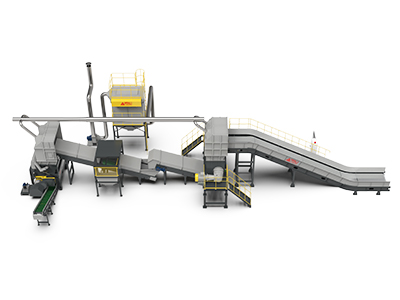
Industrial waste recycling system
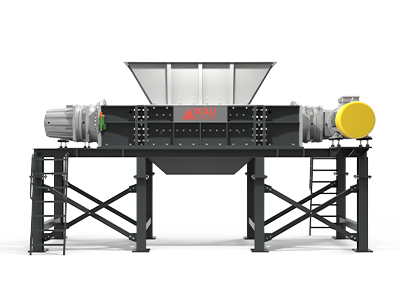
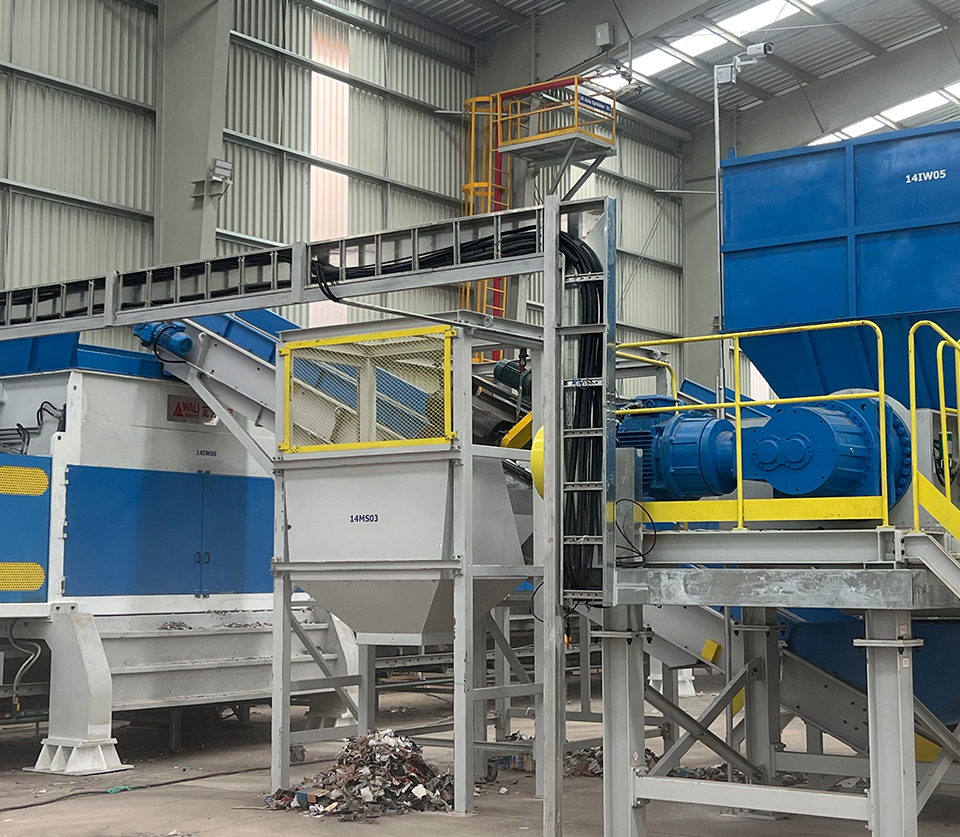
Double Shaft Shredder
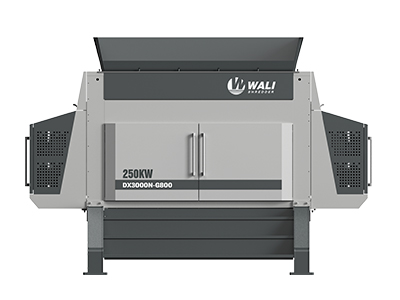
Single Shaft Shredder
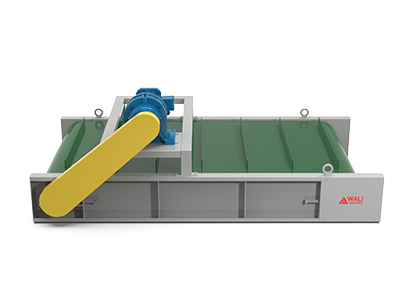
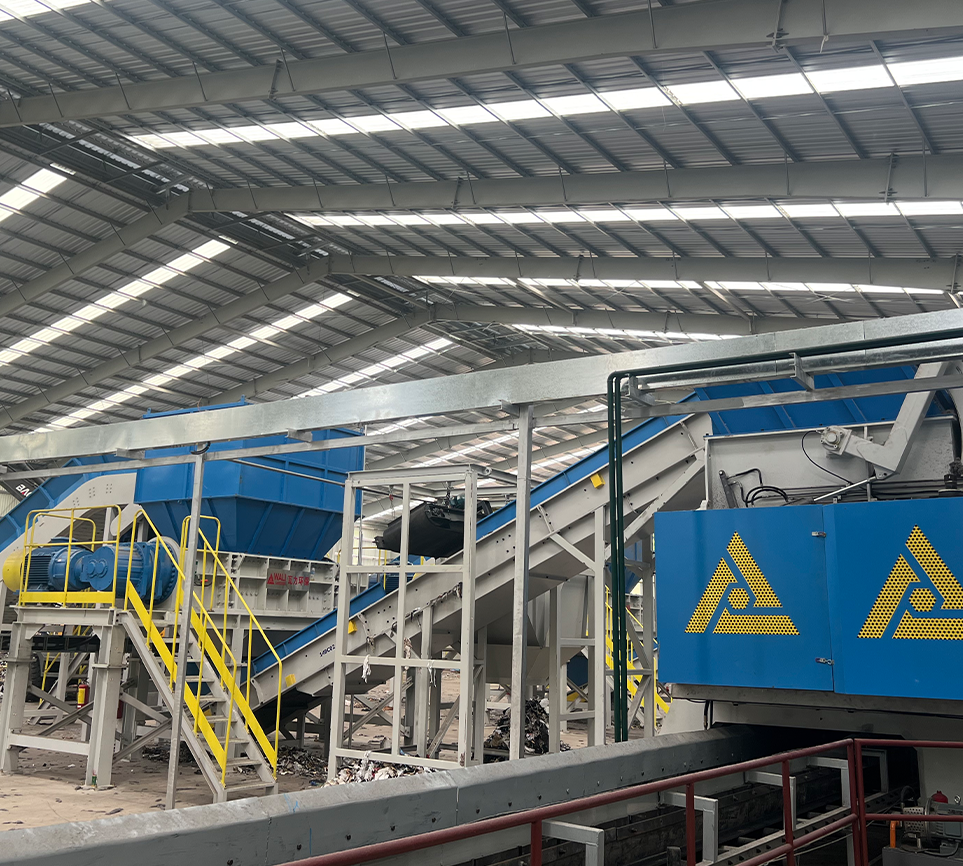
Magnetic separator
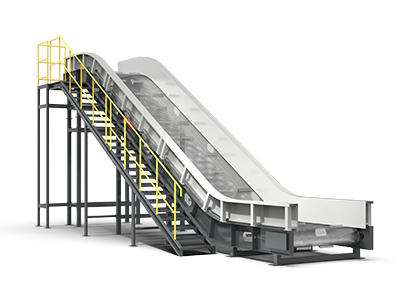
Chain Convoyer
Industrial waste recycling system Double Shaft Shredder Single Shaft Shredder Magnetic separator Chain Convoyer Industrial waste
recycling system
We employ a combined crushing scheme
of "dual-axis coarse crushing + single-axis fine crushing" to collaboratively crush various materials to the ideal particle size.
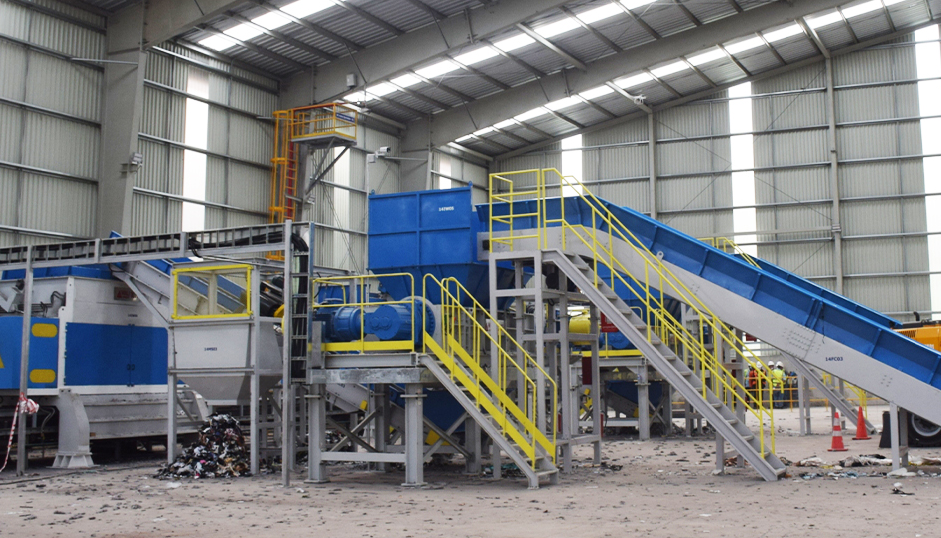
From waste to value
In RDF/SRF production, crushing and sorting are key to final fuel quality and efficiency.
WALI's specialized and modular "crushing + refined sorting" production line provides essential preprocessing assurance for the subsequent production of high-standard SRF alternative fuels or RDF fuel pellets.
https://www.youtube.com/watch?v=npKxSKI9iJ8 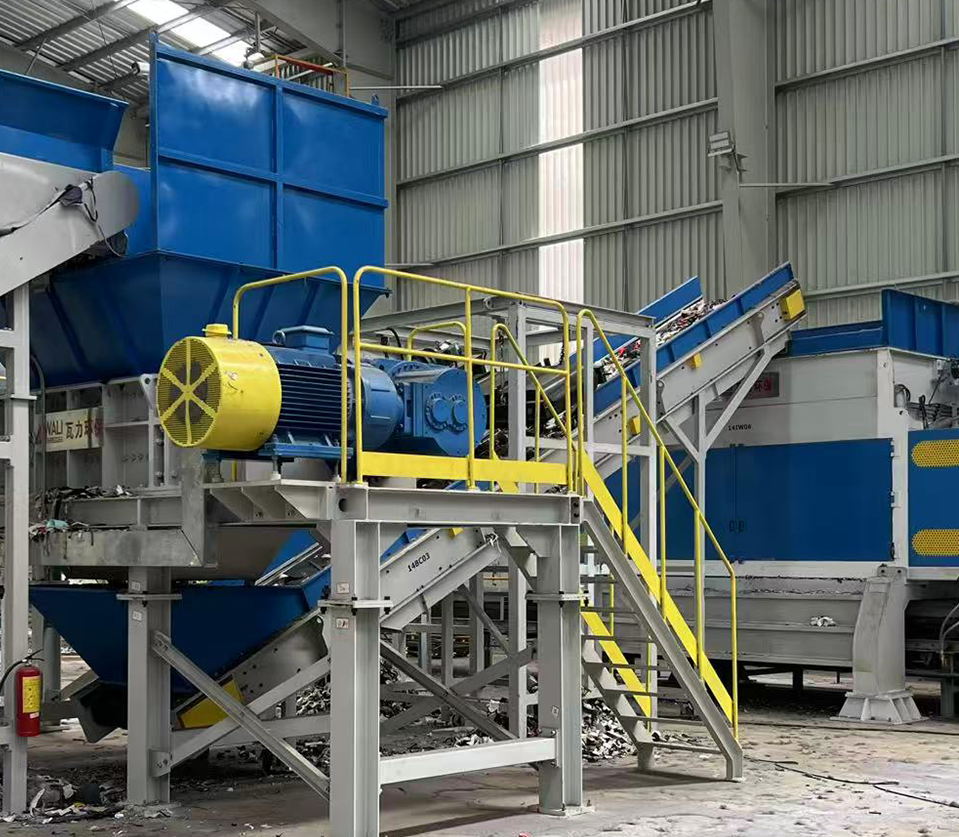
From waste to value
Before materials can be effectively recycled,
they must first be prepared—and shredding is the essential first step.
Dual-Shaft Coarse Crushing: Features high torque and low energy consumption, capable of processing large-sized or highly mixed materials at scale. And its blades are independently detachable for convenient and efficient maintenance.Single-Shaft Fine Crushing: Equipped with an adjustable screen system to precisely control the output particle size, meeting the stringent requirements of downstream processes for material homogeneity.
Magnetic separation
The magnetic separator is precisely installed abovethe belt conveyor. As the crushed materialspass, through, the high-intensity magnetic fieldgenerated by the separator automaticallyand efficiently removes ferrous metalsmixed in the materials, such as iron blocksscrews, and iron wires.
Stystem adaptability
The system adopts a modular design, allowing flexible integration of units such as air classification, magnetic separation, and eddy current separation.
All processes and equipment configurations can be customized and integrated according to the customer’s specific material characteristics, production capacity requirements, and product standards, aiming to achieve optimal resource recovery and economic benefits.
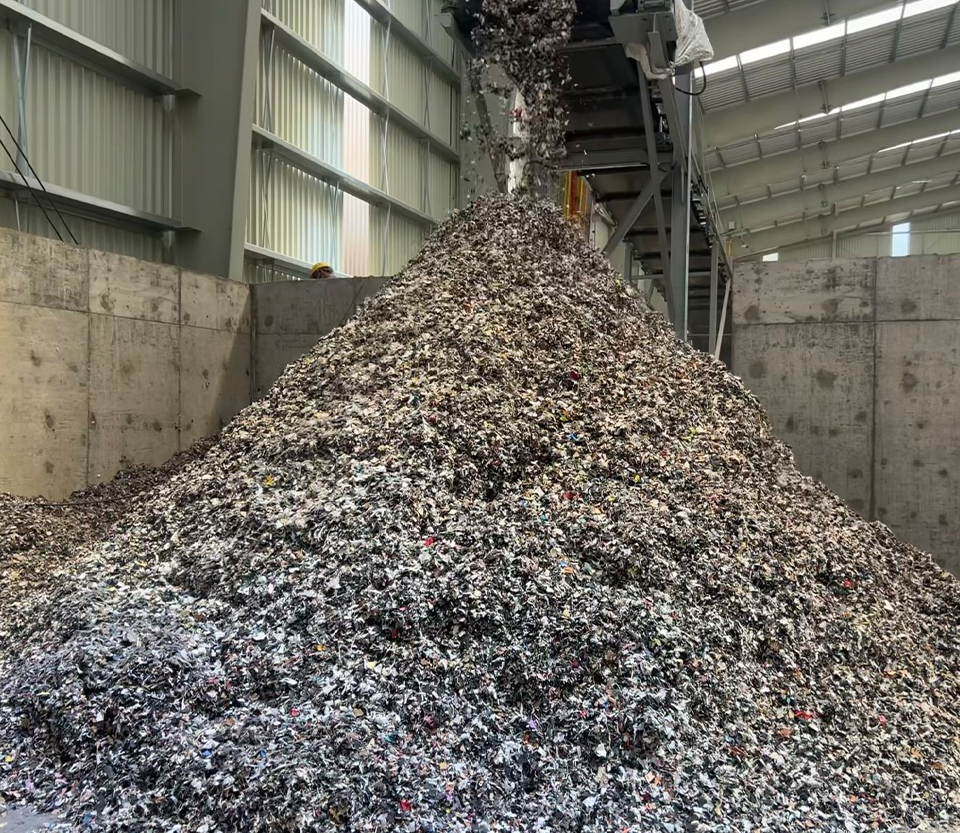
Output
Material crushing, screening, and separation constitute the core preprocessing stage of the entire treatment process.
Through this series of mechanical and physical treatments, the original complex materials are transformed into intermediate products with uniform particle size and controllable composition.
News
Faq
1.What is the difference between SRF and RDF?
The required level of refinement differs between the two. SRF is typically a highly refined fuel produced in strict accordance with the specific specifications of the fuel-consuming company, whereas RDF requires a lower degree of refinement to meet the end-user's requirements.
2.Which industries are suitable for using SRF/RDF?
SRF and RDF are applied in industries such as cement, power generation, and chemicals.
3.What are the core steps in producing SRF/RDF from industrial waste?
Crushing and sorting are the key stages that determine the final fuel quality and utilization efficiency. The combined crushing solution of "dual-shaft coarse crushing + single-shaft fine crushing" provides essential preprocessing assurance for the subsequent production of high-standard SRF alternative fuels or RDF fuel pellets.
4.How does the crushing and sorting system ensure fuel purity?
The system flexibly integrates units such as air classification, magnetic separation, and eddy current separation according to end-user needs, ensuring high material purity.
5.Do you provide end-to-end services from design to operation?
Based on customer requirements, we offer comprehensive services covering the entire process from solution design to operation.